
13 Oct 2026
Restaurant Marketing: How to Attract More Guests and Encourage Repeat Visits
Restaurant marketing connects local visibility, persuasive content and customer experience to attract guests and encourage repeat visits.
The Digital Gardener
5 min read
5 views
Share this article
What Is Restaurant Marketing?
Restaurant marketing includes the activities used to make a restaurant visible, communicate its identity, attract guests and encourage them to return.
It begins before someone enters the restaurant. Potential customers may discover the business through Google, social media, a recommendation, an advertisement or an online review.
Marketing continues after the visit through customer communication, review management, loyalty initiatives and content that keeps the restaurant memorable.
Successful marketing should therefore connect three stages:
Discovery
Reservation or visit
Return
Define Who the Restaurant Is For
A restaurant cannot communicate effectively if it tries to appeal to everyone in the same way.
Start by identifying:
The type of dining experience
The main customer groups
The average spending level
The most important occasions
The geographical area served
The strongest reasons to choose the restaurant
A family restaurant, a fine-dining venue, a beach restaurant and a fast-casual concept require different messages.
The atmosphere, menu, service and communication should create one recognisable experience.
Strengthen Local Visibility
People frequently search for restaurants based on location, cuisine, opening hours or a specific occasion.
Effective local marketing for restaurants should make essential information easy to find.
Keep the following details accurate:
Restaurant name
Address and map location
Telephone number
Opening hours
Menu
Reservation link
Website
Available services
Recent photographs
A complete Google Business Profile and a mobile-friendly website help potential guests understand what the restaurant offers before making a decision.
Present the Real Experience
Food is important, but guests also evaluate the atmosphere, service, location and overall experience.
Professional visual content can present:
Signature dishes
Fresh ingredients
Food preparation
Interior and exterior spaces
Table settings
The kitchen team
Service moments
Events and seasonal experiences
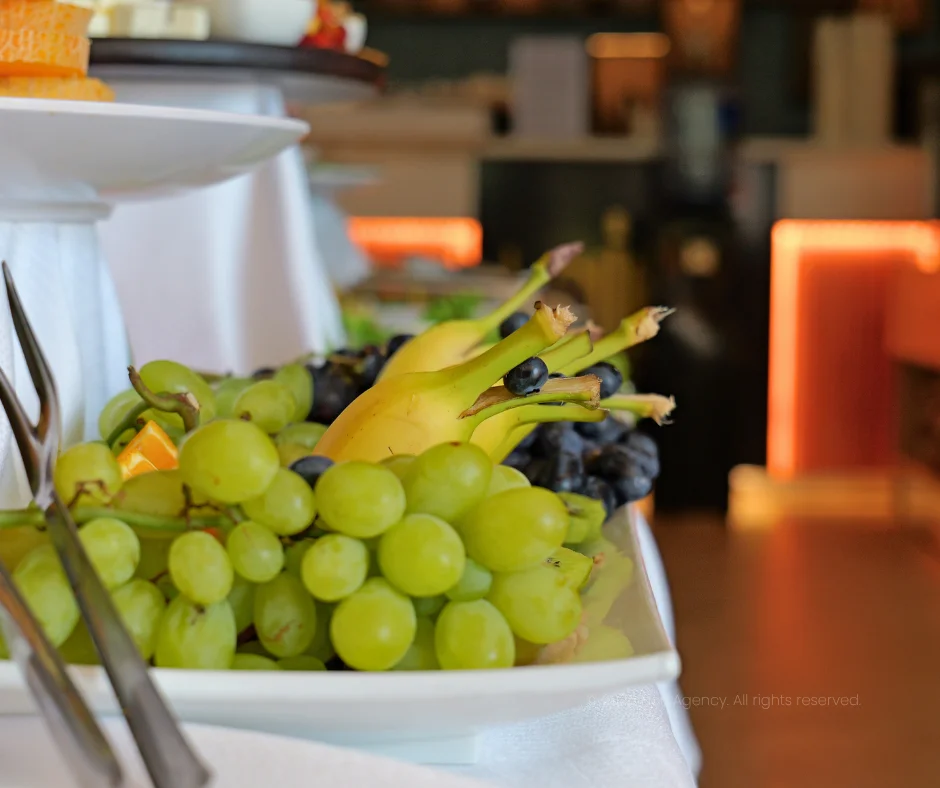
Photographs and videos should reflect what guests will actually encounter. Excessive editing or generic stock images can create expectations that the restaurant cannot fulfil.
A creative partner such as Fiori Agency can help restaurants produce original photography and video content based on their real dishes, spaces and people.
Use Social Media With a Clear Purpose
Social media marketing for restaurants should do more than publish photographs of different dishes.
Content can help potential guests understand:
What makes the menu distinctive
Which experience they can expect
Who prepares the food
When special events take place
How to reserve a table
Which seasonal dishes are available
Useful formats include:
Short preparation videos
Menu carousels
Chef recommendations
Behind-the-scenes content
Customer experiences
Event announcements
Stories showing the daily atmosphere
Choose platforms according to the audience and available resources. Consistent, original content is more valuable than publishing frequently without a clear reason.
Make Reservations Simple
Interest can disappear when the booking process is unclear or complicated.
Every important channel should guide guests towards a clear next step:
Call the restaurant
Reserve online
Send a message
View the menu
Request information
Get directions
Check the entire process from a customer’s perspective. Reservation links should work, telephone numbers should be clickable and staff should respond to messages within a reasonable time.
Strong restaurant digital marketing cannot compensate for a confusing booking experience.
Create Offers Without Depending on Discounts
Offers can attract attention, but constant discounts may weaken perceived value and train customers to wait for lower prices.
Alternative restaurant marketing ideas include:
Seasonal menus
Tasting experiences
Lunch packages
Dinner and live music events
Chef’s specials
Menus for celebrations
Wine-pairing evenings
Limited dishes based on seasonal ingredients
Each offer should explain what is included, when it is available and how to reserve.
The objective is to create a relevant reason to visit, not simply to reduce the price.
Manage Reviews Professionally
Online reviews influence how potential guests evaluate a restaurant.
Encourage genuine feedback after the visit and respond professionally to both positive and negative comments.
Responses should:
Thank the customer
Address the specific experience
Avoid defensive language
Clarify misunderstandings calmly
Move sensitive conversations to a private channel
Repeated criticism can also reveal operational problems. If several customers mention slow service, incorrect information or inconsistent quality, the issue may require an internal solution rather than a marketing response.
Encourage Guests to Return
Attracting a first-time guest is only one part of the work. Restaurant customer retention helps turn a single visit into a longer relationship.
Restaurants can encourage repeat visits through:
Consistent food and service
Seasonal menu updates
Loyalty programmes
Email or WhatsApp communication with consent
Invitations to relevant events
Personalised offers
Excellent handling of complaints
Returning customers already know the restaurant. The focus should be on giving them a meaningful reason to visit again.
Measure More Than Social Media Engagement
Likes and views can indicate attention, but they do not show the complete impact of marketing.
Monitor indicators such as:
Reservation requests
Telephone calls
Website visits
Direction requests
Cost per booking or enquiry
Average spending
Returning customer rate
Offer redemptions
Review volume and rating
Revenue during promoted periods
Compare marketing activity with actual restaurant performance. This helps identify which channels and messages contribute to visits, reservations and revenue.
Common Restaurant Marketing Mistakes
Avoid:
Publishing only photographs of dishes
Using outdated menus or opening hours
Making reservations difficult
Copying nearby competitors
Relying constantly on discounts
Using stock images that do not represent the restaurant
Ignoring negative reviews
Promoting events without essential information
Choosing every social platform without sufficient resources
Measuring success only through followers and likes
Final Thoughts
Restaurant marketing connects visibility, communication and the real customer experience.
A restaurant must first be easy to discover, then easy to understand and finally easy to visit or reserve. The experience delivered inside the venue should support every promise made online.
When local visibility, original content, clear booking options and consistent service work together, marketing can attract new guests while giving existing customers a reason to return.